What types of objections can IP Australia raise?
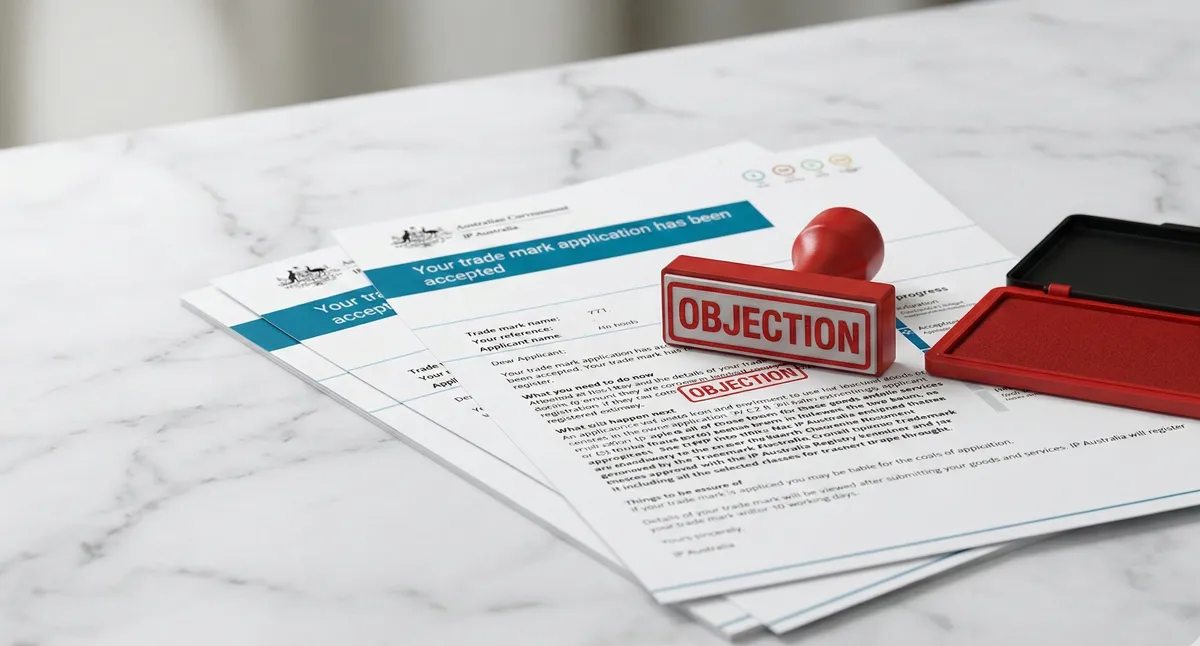
Received an examination report?
Response within 1 business day
IP Australia can raise objections under several different sections of the Trade Marks Act 1995. The two most common are section 41 (your mark is not distinctive enough) and section 44 (a conflicting mark already exists on the register), but there are other grounds that can apply in specific circumstances.
Understanding the different types of objections helps you anticipate potential issues before you apply — and respond effectively if you receive an examination report.
This guide is part of our series on examination reports. For a broader overview of the examination process, start with our guide on what a trade mark examination report is.
Dealing with an objection? Upload your examination report for a free review and we will help you understand your options.
Section 41 objections — your mark is not distinctive enough
The most common type of objection is under section 41 of the Trade Marks Act 1995. This section requires your trade mark to be capable of distinguishing your goods or services from those of other traders.
In simple terms, if your mark is too descriptive or too generic, the examiner will raise an objection.
What does "descriptive" mean?
A descriptive mark is one that directly describes the goods or services, their characteristics, quality, intended purpose, or some other feature. It tells the consumer what the product or service is, rather than who provides it.
For example:
- "FRESH BREAD" for a bakery — directly describes the product being sold.
- "FAST DELIVERY" for a courier service — describes what the business does.
- "PURE WATER" for bottled water — describes the product itself.
- "ECO CLEAN" for cleaning products — describes the nature of the products.
Those words simply describe the goods or services. They do not tell a consumer which bakery, courier service, or brand they are dealing with. Other traders should also be free to use descriptive words to describe their own goods and services, so allowing one trader to monopolise a common descriptive term would be unfair to everyone else in the market.
If you have received a section 41 objection, our detailed guide on what to do when your trade mark is rejected as descriptive walks through the specific options available to you.
The spectrum of distinctiveness
Not all marks are equally distinctive. Trade marks generally sit on a spectrum:
- Generic terms (e.g. "BREAD" for bread) — cannot be registered. These are the common name for the goods or services themselves.
- Descriptive marks (e.g. "FRESH BREAD" for a bakery) — very difficult to register. They directly describe a characteristic of the goods or services.
- Suggestive marks (e.g. "GOLDEN CRUST" for a bakery) — these hint at the goods or services without directly describing them. They are generally easier to register.
- Arbitrary marks (e.g. "AMAZON" for an online retailer) — existing words used in a context unrelated to their ordinary meaning. These are typically strong marks.
- Invented or coined marks (e.g. "GOOGLE") — entirely made-up words with no prior meaning. These are the strongest type of mark.
The further your mark sits towards the "invented" end of the spectrum, the less likely it is that you will face a section 41 objection. For more guidance on choosing a mark that avoids these issues, read our guide on how to choose a good trademark.
How section 41 objections can be overcome
A section 41 objection does not necessarily mean your application is doomed. Depending on the circumstances, you may be able to:
- make legal submissions arguing the mark is suggestive rather than descriptive;
- provide evidence of use showing the mark has acquired distinctiveness through use in trade;
- narrow the goods and services specification so the mark is no longer descriptive in that context; or
- file a composite (logo) version of the mark that includes distinctive design elements.
For a full walkthrough, see our guide on how to overcome a trade mark examination report.
Section 44 objections — a conflicting mark already exists
The other very common objection is under section 44. This section prevents the registration of a trade mark that is substantially identical or deceptively similar to an existing mark on the register, where the goods or services overlap or are closely related.
In other words, if someone has already registered a similar mark for similar goods or services, the examiner will raise an objection.
How examiners assess similarity
The examiner will compare your mark against existing registrations and pending applications across three key dimensions:
- Visual similarity — do the marks look alike? This includes the overall appearance, spelling, and any design elements.
- Aural similarity — do the marks sound alike when spoken? Marks that are spelt differently but sound the same (e.g. "KOOL" and "COOL") can still be considered similar.
- Conceptual similarity — do the marks convey a similar idea or meaning? Even if two marks look and sound different, they may be objected to if they share the same underlying concept (e.g. a sun logo and the word "SUNRISE").
The examiner considers the overall impression the marks would leave on a consumer, rather than examining them side by side in fine detail.
Goods and services overlap
It is not enough for two marks to be similar — the goods or services must also overlap or be closely related. For example, two identical marks could coexist on the register if one is for clothing and the other is for accounting services, because there is no connection between the goods and services.
However, goods and services do not need to be identical for an objection to be raised. Closely related goods and services — such as clothing and footwear, or cafes and catering — may be considered close enough to cause an issue.
This is one of the reasons why it is a good idea to search the trade mark register before you file your application. Our trade mark registration guide for Australia covers this step and others in the registration process.
How section 44 objections can be overcome
Section 44 objections can often be addressed through one or more of the following:
- obtaining a letter of consent from the owner of the cited mark;
- narrowing the goods and services in your application to remove the overlap;
- making legal submissions arguing the marks are not deceptively similar; or
- filing evidence of prior or honest concurrent use.
See our guide on how to overcome a trade mark examination report for more detail on each of these strategies.
Other grounds for objection
While sections 41 and 44 cover the vast majority of objections, the Trade Marks Act 1995 includes several other grounds that can arise in certain circumstances.
Scandalous or contrary to law
A trade mark may be refused if it contains or consists of scandalous matter, or if its use would be contrary to law. This can include marks that are offensive, or marks that would mislead or deceive consumers. For example, a mark that falsely implies a government endorsement could be refused on this basis.
Protected signs and emblems
Certain signs are protected under Australian law and cannot be registered as trade marks (or as part of a trade mark) without authorisation. These include:
- Australian and foreign government emblems, flags, and insignia;
- the emblems of international organisations (such as the Red Cross); and
- certain official signs and hallmarks.
Bad faith applications
If IP Australia considers that an application has been made in bad faith — for example, where the applicant has no genuine intention to use the mark and is attempting to trade on the reputation of another business — the application may be refused.
Formality objections
The examiner may also raise issues relating to the formalities of the application itself, such as incorrect applicant details, an unclear representation of the mark, or a specification of goods and services that does not meet IP Australia's requirements. Formality objections are usually the easiest to resolve, often requiring only a simple amendment.
What to do if you receive an objection
Receiving an objection is not the end of the road. Many objections can be overcome with the right approach, whether that involves filing evidence, amending your application, or making legal arguments.
It is important to respond within the deadline set by IP Australia. You have 15 months from the date of the first examination report, but you should respond well before this to allow time for further correspondence. If you do not respond, your application will lapse.
Here are the next steps depending on your situation:
- Start here: What is a trade mark examination report? — understand the process, deadlines, and your options.
- Ready to respond: How to overcome a trade mark examination report — practical strategies for overcoming objections.
- Section 41 objection: My trade mark was rejected as descriptive — focused guidance on descriptiveness objections.
- Need evidence of use: What does evidence of use involve? — how to prepare a statutory declaration and supporting evidence.
Frequently asked questions
What is the most common objection raised by IP Australia?
Section 41 (distinctiveness) and section 44 (conflicting marks) objections are by far the most common. Of these two, distinctiveness objections tend to arise most frequently, particularly where business owners have chosen marks that describe their goods or services.
Can I still register my trade mark if an objection is raised?
Yes, in many cases. An objection is not a rejection — it is an invitation to respond. Depending on the nature of the objection, you may be able to overcome it by filing evidence of use, amending your application, or making legal submissions. A trade mark lawyer can help you assess your options.
How can I avoid objections in the first place?
The best way to reduce the risk of objections is to choose a distinctive trade mark and complete a thorough search of the trade mark register before you apply. This helps you avoid both distinctiveness issues and conflicts with existing marks. Our trade mark registration guide covers the key steps.
What is the difference between a section 41 and a section 44 objection?
A section 41 objection is about your mark itself — the examiner considers it too descriptive or not distinctive enough to function as a trade mark. A section 44 objection is about other marks — the examiner has found an existing registration that is too similar to yours for the same or related goods and services. The strategies for overcoming each type of objection are different.
If you have received any of these objections, upload your report here for a free assessment by our lawyers.
Need help?
If you have received an examination report and need help responding, upload your report for a free review or contact us for advice.
Please note, the information in this article is general in nature and is not legal advice. You should seek independent legal advice tailored to you and your circumstances.
Received an examination report?
Applicants who've received an objection from IP Australia
Response within 1 business day

Kate McAlister
Director & Co-Founder
Kate is an intellectual property and technology lawyer with a decade of experience in trade mark strategy, portfolio management and commercialisation for clients ranging from startups to ASX-listed companies.
View full profileRelated articles
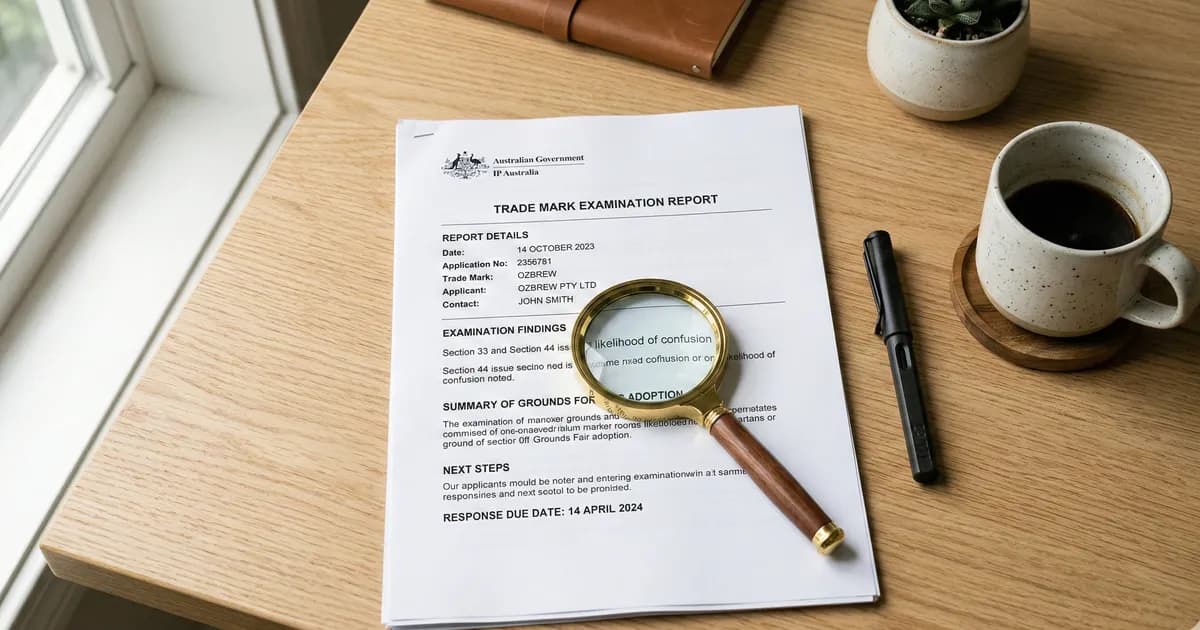
What is a trade mark examination report?
An examination report from IP Australia means the examiner has raised objections to your trade mark — but most can be overcome. Here's what to expect and how to respond.
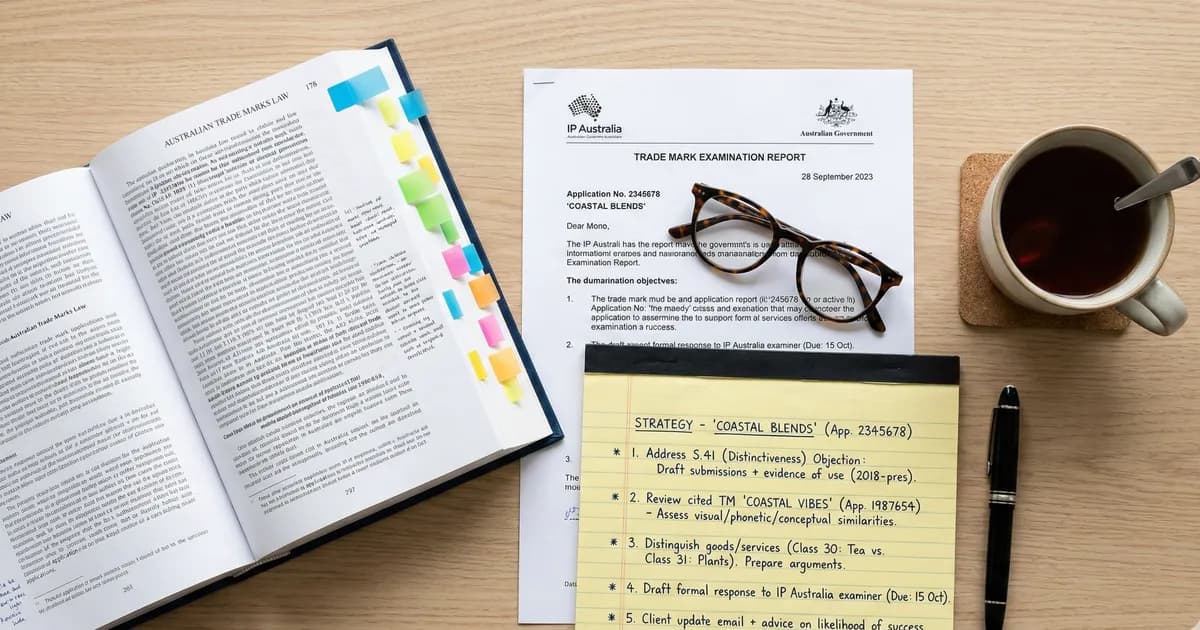
How to overcome a trade mark examination report
Received an examination report from IP Australia? Here are the proven strategies for overcoming objections and getting your trade mark accepted.
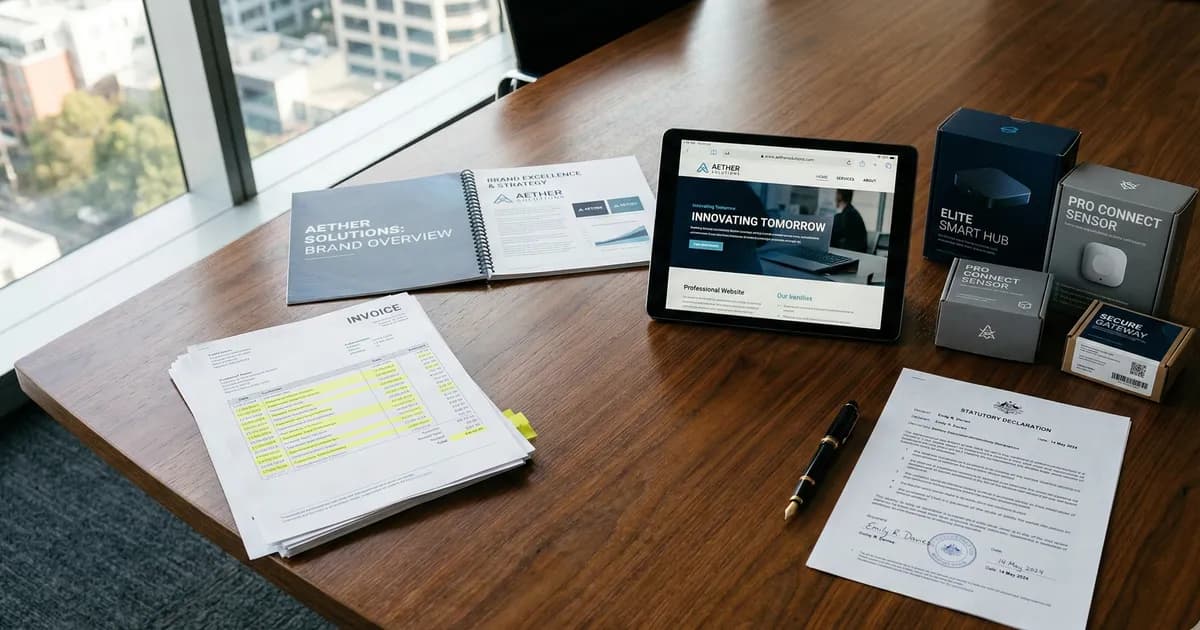
What does evidence of use involve for a trade mark?
If IP Australia raises a distinctiveness or conflicting mark objection, evidence of use can help you overcome it. Learn what to include in your statutory declaration and how to get it right.