



DIY vs online filing service vs lawyer-led trade mark help
Should you file directly with IP Australia, use an online filing service, or get lawyer-led help? How to choose the right filing path based on your mark, budget and risk profile.
Expert advice and practical guidance on protecting your brand. Stay informed with the latest in trade mark law and strategy.

Should you file directly with IP Australia, use an online filing service, or get lawyer-led help? How to choose the right filing path based on your mark, budget and risk profile.


Received an urgent email from a 'trade mark lawyer' about a conflicting trade mark? It's almost certainly a scam. Here's what to look for.

It depends on how much has changed. Minor tweaks are usually fine, but a significant redesign may leave your brand unprotected. Here's how to tell.

Trade mark registrations in Australia last 10 years and can be renewed indefinitely. Here's what you need to know.

If you can only file one trade mark, start with a word mark for a distinctive name or a logo mark for a descriptive one. Here's a practical framework to help you decide.

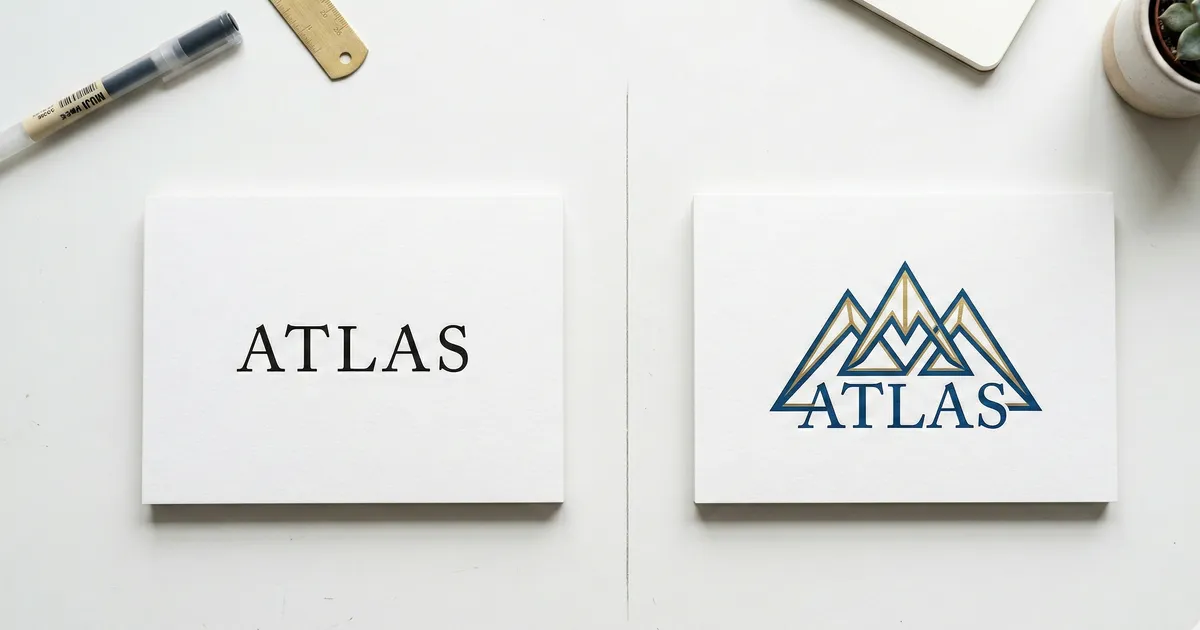
A word mark protects your brand name in any visual form. A logo mark protects a specific design. Here's what each covers legally and where the protection gaps lie.

A section 41 objection does not have to be the end of the road. Here are the options for overcoming a descriptiveness objection from IP Australia.

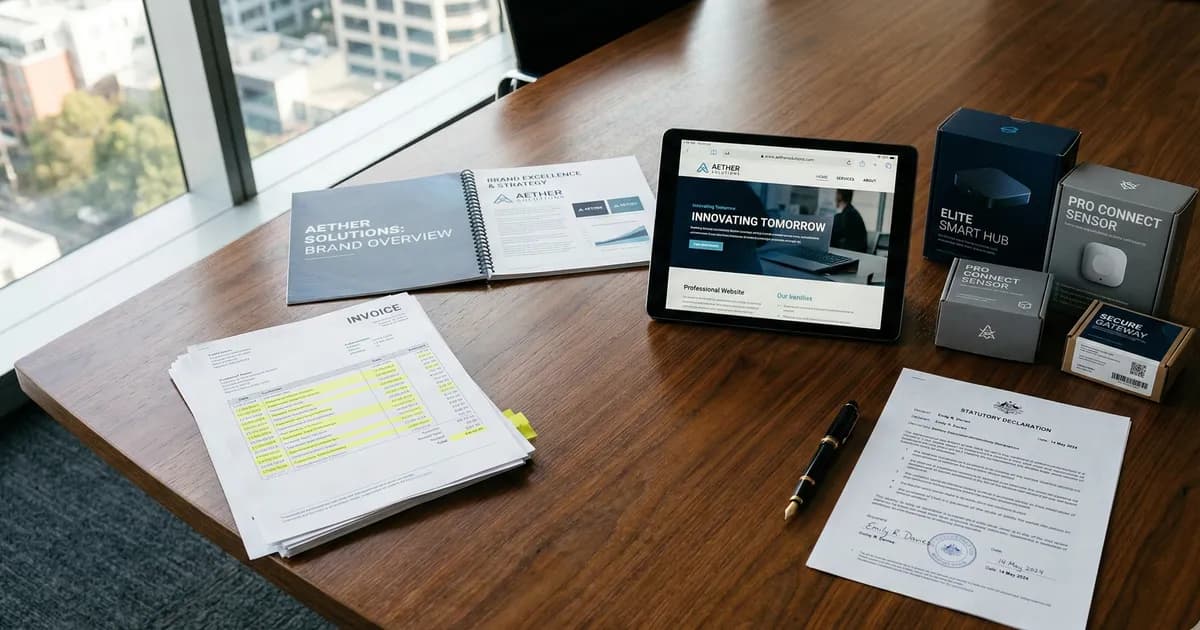
If IP Australia raises a distinctiveness or conflicting mark objection, evidence of use can help you overcome it. Learn what to include in your statutory declaration and how to get it right.

Received an examination report from IP Australia? Here are the proven strategies for overcoming objections and getting your trade mark accepted.

IP Australia can raise objections on several grounds, from descriptiveness to conflicting marks. Here's what each type means and how it affects your application.

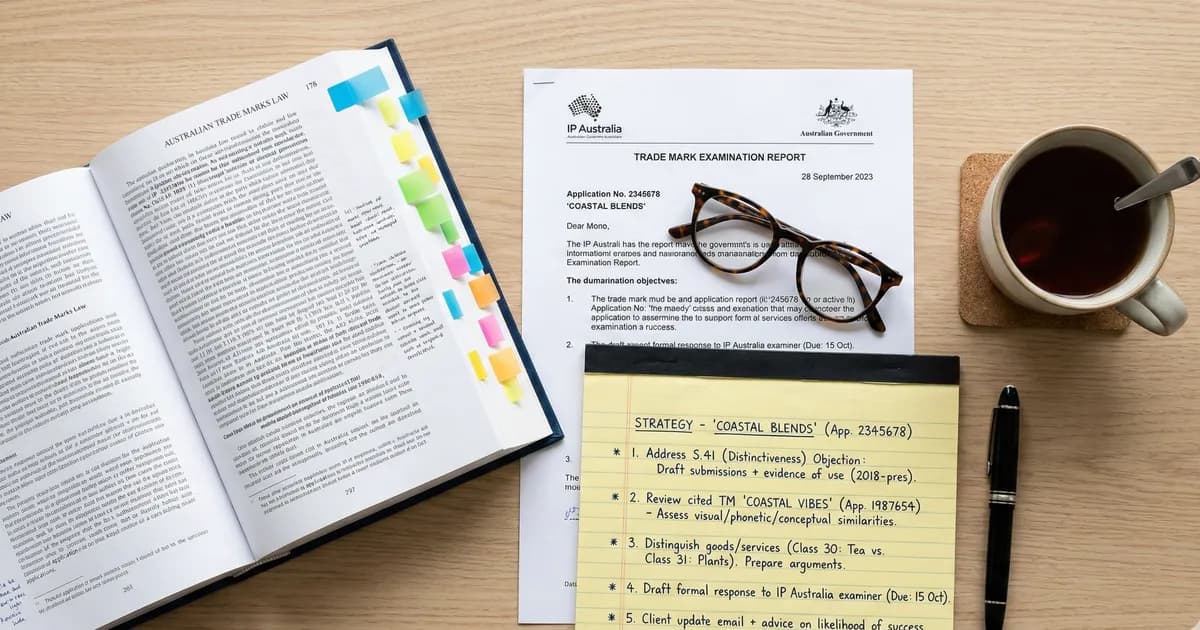
An examination report from IP Australia means the examiner has raised objections to your trade mark — but most can be overcome. Here's what to expect and how to respond.

Markster's cosmetic market intelligence report uses trade mark data to highlight trends, opportunities and market shifts in the industry.

Cosmetics dupes are a growing threat to beauty brands. Learn how trade mark registration and monitoring can protect your products from copycats.

Facebook's parent company, Meta Platforms Inc, recently locked horns with Australian mining magnate Clive Palmer’s Mineralogy Pty Ltd....

A step-by-step guide for Australian businesses on searching, filing, examining, opposing, and renewing an EU trade mark — including costs, lawyer requirements, and practical tips.

A step-by-step guide for Australian businesses on searching, filing, examining, opposing, and renewing a New Zealand trade mark — including costs, lawyer requirements, and practical tips.

A step-by-step guide for Australian businesses on searching, filing, examining, opposing, and renewing a US trade mark — including costs, lawyer requirements, and practical tips.

A step-by-step guide for Australian businesses on searching, filing, examining, opposing, and renewing a UK trade mark — including costs, lawyer requirements, and practical tips.

You don't legally need a lawyer to file a trade mark, but the risk of getting it wrong can cost more than professional help. Here's how DIY, lawyer, and online filing service options compare.

NZ trade mark registration starts from NZ$100 per class with IPONZ. See government fees, filing methods, Madrid Protocol costs, and renewal obligations.

Chinese trade mark registration starts from CNY 270 per class with CNIPA. See government fees, local agent costs, Madrid Protocol pricing, and what to watch out for.

EU trade mark registration starts from €850 for the first class with the EUIPO. See government fees, Madrid Protocol costs, and how to protect your brand across 27 EU countries.

UAE trade mark registration costs from approximately AED 6,850 per class. See government fees, local agent costs, Madrid Protocol pricing, and what makes the UAE unique.

UK trade mark registration starts from £170 for the first class with UKIPO. See government fees, filing methods, Madrid Protocol costs, and renewal obligations.

US trade mark registration starts from US$250 per class with the USPTO. See government fees, attorney costs, Madrid Protocol pricing, and maintenance requirements.

Once you have identified trade mark infringement, you need to enforce your rights. Learn how enforcement works in Australia, from cease and desist letters through to court proceedings.

Registering a trade mark gives you exclusive rights, stronger enforcement options and long-term brand protection. Here are the key benefits.

When enforcing IP rights, it’s important to keep the potential PR consequences in mind.

Trade mark infringement occurs when someone uses a mark that is identical or deceptively similar to yours for related goods or services. Learn how to spot it, what steps to take, and how to protect your business.

OpenAI has had massive success with ChatGPT, but its trade mark strategy has major problems.

A clear breakdown of each stage of the Australian trade mark registration process, from filing to registration, including timelines and what to expect.

Trade mark registration in Australia starts from $250 per class. See IP Australia fees, TM Headstart costs, and typical total filing costs.

Everything you need to know about registering a trade mark in Australia — the process, costs, key decisions, and when to get help.

A trade mark monitoring service watches registers for new applications that could conflict with your brand. Learn what it costs, how it works, and whether you need a watch service or can do it yourself.

How to prioritise countries for international trade mark filing, including key factors like business presence, manufacturing, online sales, competitors and enforcement strength.

Find out when international trade mark protection makes sense for your business, the risks of not filing, and how timing affects your options.

A complete guide to filing international trade marks, covering direct filing vs the Madrid Protocol, costs, timing, and key considerations for protecting your brand overseas.

A detailed comparison of filing your international trade mark directly in each country versus using the Madrid Protocol through WIPO, including costs, pros, cons and when each approach is better.

Not every business needs a trade mark registration straight away. Here's how to decide if and when you should apply, and what happens if you don't.

Your goods and services specification defines the scope of your trade mark rights. This guide explains how to choose the right classes and draft an effective specification — with examples and common mistakes to avoid.

A practical guide to choosing a trade mark that is distinctive, registrable, and enforceable — covering the spectrum of distinctiveness, clearance searches, and common mistakes to avoid.